Your favorite actors aren’t just showing up on screen anymore. They’re running businesses. Big ones.
And if you think that’s just a side hobby — think again. In 2026, the smartest names in Hollywood have figured out something that changes everything: being famous is only worth something if you own what you do with it.
Here’s what that actually means, and why it matters.
The Way Hollywood Used to Work
Imagine you’re incredibly talented at something — say, you’re the best basketball player in your city. But every time you want to play, you have to go to someone else’s court, use someone else’s ball, follow someone else’s rules, and hand over most of the money you earn. That was Hollywood for most of its history.
Studios — think Warner Bros., Universal, Paramount — owned everything. They owned the scripts, they paid for the films, they decided where movies got shown, and they kept most of the profits. Actors, even the most famous ones, were basically hired hands. They got paid well, sure. But they didn’t own anything. And if a studio decided they didn’t want you anymore, there wasn’t much you could do about it.
Then streaming came along and flipped the whole table. Netflix, Amazon Prime, Apple TV+ — they needed enormous amounts of content fast, and they were willing to pay for it upfront. The old rules stopped making sense. And the actors who were paying attention realized: this is the moment to build something of our own.
And here’s what the smart ones did with that moment –
Brad Pitt — Winning Oscars He Didn’t Act In
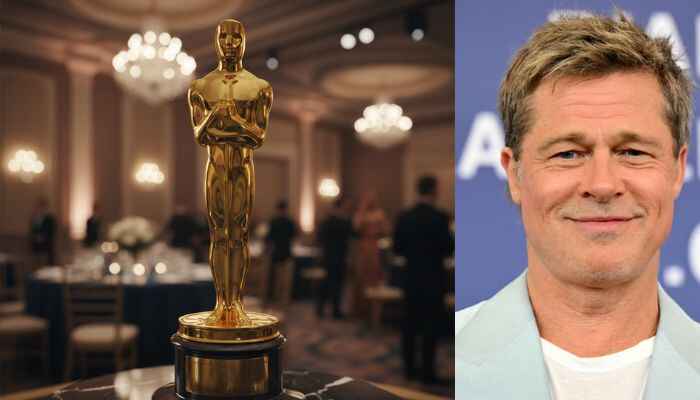
Most people know Brad Pitt as one of the biggest movie stars on the planet. What fewer people know is that some of the most award-winning films of the last decade came from his production company — and he wasn’t even in them.
Plan B Entertainment, which Pitt co-founded in 2001, produced 12 Years a Slave and Moonlight — both Best Picture winners at the Oscars. It also produced The Big Short and Selma, both nominated for the same award. That’s an insane track record for any studio, let alone one run by an actor.
Here’s why that’s smart: instead of waiting for a director to offer him a great role, Pitt goes out and finds great stories himself. He buys the rights, hires the team, and gets the movie made. Sometimes he stars in it. Sometimes he doesn’t. Either way, he makes money and earns credibility as a filmmaker — not just a face.
He’s not just an actor who also produces. He’s a businessman who also acts.
Reese Witherspoon — Spotting What Everyone Else Ignored
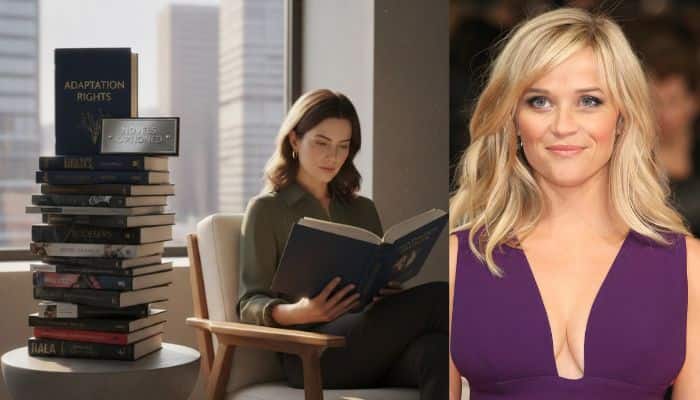
For a long time, Hollywood had a pretty obvious blind spot: stories about women. Not rom-coms or supporting roles — actual, serious, complex stories where women were the main characters. Studios kept passing on them, convinced audiences wouldn’t show up.
Reese Witherspoon saw an opportunity.
She started a company called Hello Sunshine and did something simple yet genius — she acquired the rights to popular books that studios weren’t paying attention to, specifically those with strong female leads. She secured first-look deals directly with premium platforms rather than going through traditional studio channels, and turned those books into shows like Big Little Lies and The Morning Show, which became massive hits.
By 2021, Hello Sunshine sold for nearly $1 billion. Not a million but a billion.For a company that Witherspoon built herself, based on a bet that female-led stories deserved a bigger platform.
The lesson here isn’t just that she was right. It’s that she spotted what the industry was getting wrong, moved faster than the big studios, and turned other people’s stories into her own empire. She went from actress to content businesswoman — and the payday reflected that.
Margot Robbie — Backing the Weird Stuff That Actually Works
When Margot Robbie and her partner Tom Ackerley started LuckyChap Entertainment in 2014, nobody was lining up to invest. She was famous, but she wasn’t a mogul. She was just an actor with a hunch.
That hunch kept leading her toward projects that bigger studios turned down. I, Tonya — a darkly funny biopic about figure skater Tonya Harding — seemed like an odd pitch. Hollywood passed. LuckyChap made it. It went on to earn critical praise and award nominations. Promising Young Woman was even more of a long shot — a revenge thriller with a feminist edge that studios didn’t know how to market. LuckyChap backed it anyway. It won an Oscar.
Then came Barbie. Almost every major studio was skeptical about whether a film based on a doll could become a serious cultural moment. LuckyChap pushed it forward. The movie made $1.4 billion worldwide and became one of the biggest films of the decade.
Robbie’s superpower isn’t just acting. It’s having the taste to recognize a good idea when everyone else is saying no — and the business behind her to actually make it happen
Ryan Reynolds — Turning Ads Into Art
Ryan Reynolds figured out something that most people in Hollywood still haven’t fully grasped: the line between entertainment and marketing does not have to exist.
His company, Maximum Effort, makes movie campaigns that are so clever and funny that people share them the same way they share actual content. Remember the Deadpool marketing? Aviation Gin ads during awkward cultural moments? The fake competition between his Mint Mobile and his ownership stake in a Welsh football club? That’s all, Maximum Effort — and it’s designed to be watched, not just seen.
But Reynolds didn’t stop at making great trailers. He took that same attention — the massive audience he’d built through genuine humor and authenticity — and invested it into real businesses. He bought into Mint Mobile (a phone company) and Aviation Gin (a spirits brand), used his platform to market them in the same entertaining way, and then sold them. Mint Mobile went to T-Mobile for $1.35 billion. Aviation Gin had a similarly lucrative exit. These weren’t endorsement deals where he showed up for a photoshoot. These were equity positions — real ownership stakes in real companies — that he helped build from the inside and sold at scale.
He essentially figured out that being famous gives you something more valuable than a salary — it gives you a built-in audience. And an audience, if you’re smart about it, is worth a lot more than any acting paycheck.
Tom Hanks — The 25-Year Quiet Empire
Nobody talks about Tom Hanks as a business genius. They should.
Back in 1998, while most actors were just cashing checks, Hanks quietly co-founded a production company called Playtone. It didn’t make a lot of noise. It didn’t do a flashy deal or get bought for a billion dollars. It just kept making really good stuff — Band of Brothers, the HBO war series that’s still considered one of the best things ever made for television, and its follow-up, The Pacific, among others.
But the most revealing chapter in Playtone’s story is My Big Fat Greek Wedding. Hanks didn’t star in it. He produced it. The film cost $5 million to make and earned over $368 million worldwide. That’s not an acting fee. That’s an investment return.
What Hanks understood before almost anyone else is that the most powerful thing you can do with your name isn’t spend it on a bigger salary — it’s use it to get a project off the ground that you believe in. Playtone is now over 25 years old and still running. No drama, no sale, no rebrand. Just consistent output and consistent profit. That’s genuinely rare in an industry obsessed with the next big thing.
Tyler Perry — He Didn’t Join the System. He Built His Own.
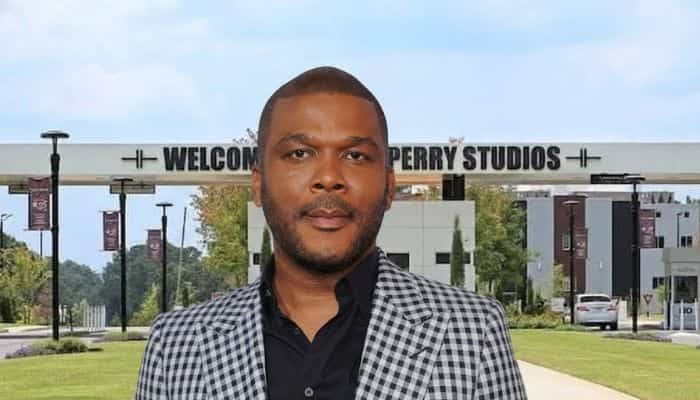
Every other person on this list found a smarter way to work within Hollywood. Tyler Perry looked at Hollywood and decided to skip it entirely.
In Atlanta, Georgia, he bought a former military base — 330 acres — and turned it into Tyler Perry Studios. We’re talking 12 full-size soundstages, production offices, backlot sets designed to look like streets, courthouses, and hospitals. Everything a major film or TV production needs, all in one place. And he owns all of it.
Think about what that means. When other producers make a film, they rent space from a studio and pay huge fees. Perry shoots on his own lot for free. When he’s not using it, he rents it out to other productions and collects the money. He controls hundreds of films and thousands of TV episodes in his personal content library. When he negotiated deals with networks and streaming services, he came to the table as an independent owner — not someone hoping to get picked.
Hollywood’s physical infrastructure has always been concentrated in Los Angeles, which meant the studios controlled access. Perry took that power away by simply building his own infrastructure somewhere else. He didn’t just become a media company. He became the landlord.
Dwayne Johnson — When Your Instagram Is Your Distribution Deal
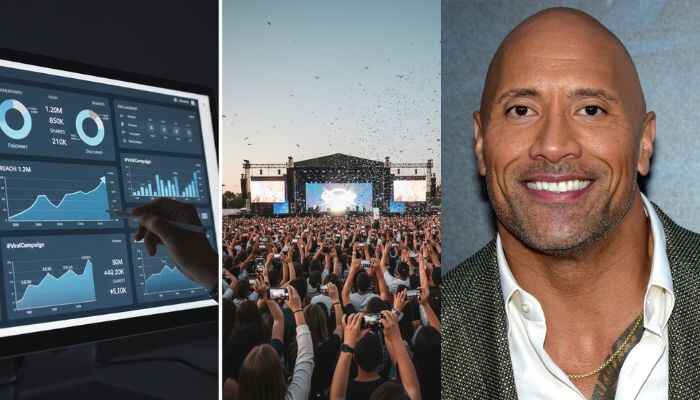
Dwayne Johnson has one of the largest social media followings of any human being on earth. That’s not a fun fact. That’s a business asset worth hundreds of millions of dollars.
His production company, Seven Bucks Productions, which he runs with Dany Garcia, understood this early. When Johnson’s company pitches a project to Netflix or Amazon, they’re not just offering a good script. They’re offering a guarantee that hundreds of millions of people will hear about it directly from him — no traditional advertising needed. That changes the entire conversation.
He also structured his deals differently from most actors. Instead of negotiating his acting fee separately from his production company’s involvement, Seven Bucks bundles everything into one package. Studios get one clean offer to accept or reject. It sounds like a small detail but it gives Johnson enormous leverage — the studio can’t pick apart the deal piece by piece.
Beyond film, Johnson applied the same logic to tequila. His brand, Teremana, reportedly sold over a million cases in a single year by 2025. He promoted it on his own platforms, to his own audience, with his own content. Ryan Reynolds did the same thing with Aviation Gin. When you have the audience, you don’t need to pay someone else to reach it
So, Why Are Actors Starting Their Own Production Companies?
Three things changed at the same time and pushed actors toward building businesses. The explosion of celebrity production companies in 2026 isn’t a trend — it’s a rational response to three structural changes that all landed at the same time.
Streaming broke the old money system. In the traditional model, actors earned a share of a film’s profits — but only if the film made enough money after the studio took its cut, which rarely happened. Streaming services don’t work that way. They pay one big upfront fee for the rights to show something. That’s cleaner, but it also means the person who owns the content gets the money — not the person who just starred in it.
Stories became scarce and valuable. Every studio and streaming platform is desperately looking for the next big IP — the next universe to build, the next book series to adapt, the next cultural moment to capture. Actors who own story rights before the bidding war starts have something everyone wants. That’s leverage no salary can buy.
And fame has an expiration date, but a company doesn’t. An actor’s career can slow down for all kinds of reasons — age, shifting trends, or one bad film. A well-run company keeps generating value regardless. Building a business is how you turn a temporary window of fame into something permanent.
What This Means Going Forward
The next generation of Hollywood power players won’t just be great actors. They’ll be people who used their moment of fame to build something that lasts — a production company with a strong development slate, a content library that earns money while they sleep, a brand that extends beyond any single film or role.
The gap between actors who get this and actors who don’t is already visible. The ones who built companies are still in control of their careers. The ones who didn’t are hoping their agent calls.
The Bottom Line
Hollywood has always been a place where the people who own things have the power. For most of history, that meant studios. What’s changed is that the biggest stars have figured out how to become owners themselves.
Brad Pitt’s production company wins Best Picture. Reese Witherspoon sells her content business for a billion dollars. Margot Robbie greenlights the movie that makes $1.4 billion worldwide. Ryan Reynolds sells a phone company for over a billion. Tom Hanks made 73 times his investment on a film in which he never appeared. Tyler Perry rents his soundstages to the same studios that used to control him. Dwayne Johnson sells tequila to his own Instagram followers.
None of that is luck. All of it is the result of a decision — made early, made deliberately — to stop being an employee and start being an owner.
That’s the real story of Hollywood in 2026. And it’s only getting started.