For many fans, Sadie Sink will always be Max Mayfield. Her breakout role on Stranger Things turned her into one of Netflix’s most recognisable young stars — and set expectations for what her career should look like next.
According to Sink, that expectation doesn’t match reality.
In a recent YouTube interview published by The Guardian, Sink speaks candidly about her relationship with acting across film, television, and theatre. Without framing it as a rejection of Hollywood, she makes a firm distinction: stage work is where she feels most challenged, most engaged, and most fulfilled.
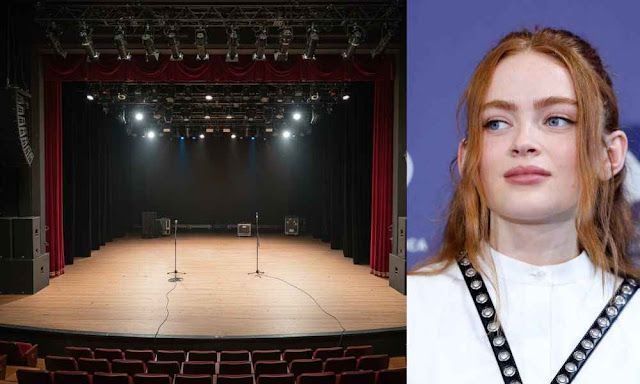
Sink makes it clear that despite her screen success, theatre remains the most important part of her acting career.
Theatre Isn’t a Detour — It’s the Point
Sink doesn’t talk about theatre as something sentimental or prestigious. She talks about it as harder work.
Film and television sets often move slowly. Scenes are shot out of order. Actors spend a lot of time waiting. Theatre doesn’t allow for that.
On stage, there are no long breaks and no second chances later. You show up and perform every night, no matter how you feel. Sink says that repetition is the key difference — and the main reason theatre matters more to her.
Doing the same work night after night forces growth. There’s less downtime and fewer distractions. Acting becomes the full job, not just one part of a large production.
For someone who grew up on massive sets like Stranger Things, where schedules and logistics often shape the day, that preference is intentional. It shows a clear shift in what Sink now values most about acting.
Choosing Discipline Over Momentum
After Stranger Things, there’s usually a clear path for young actors. A hit streaming show leads to bigger franchises, more visibility, and constant movement from one project to the next.
Sink doesn’t seem interested in following that pattern.
Her time on Broadway in John Proctor Is the Villain wasn’t treated as a short stop between screen roles. It became something she stayed with, instead of quickly moving on to the next opportunity.
That kind of focus is rare in an industry that moves fast. Sink chose to stay connected to the material rather than chasing momentum.
This isn’t about slowing her career down. It’s about deciding where her time and energy actually go.
The Limits of the “Teen Star” Narrative
Sink also talks about an issue many young actors face after breaking out early. People don’t always see how much they’ve changed.
Even after years of work since her early Stranger Things seasons, Sink is still often talked about as if she’s stuck in that phase. Interviews tend to focus on early fame, childhood pressure, and nostalgia, even though her recent work has moved into more demanding territory.
When asked what she wishes people focused on more, Sink’s answer is direct: theatre. The process. The discipline. The experience of performing live, night after night.
That response isn’t framed as frustration. It’s framed as clarification. Sink isn’t distancing herself from her past; she’s pushing coverage to catch up with her present.
Why Theatre Offers Something Film and TV Don’t
Sink also points out a basic difference between theatre and screen work.
Film and television involve a lot of waiting. Scenes are shot out of order. Performances are built over time, not in one continuous run.
Theatre strips all that away
On stage, performing is the whole job. There’s no safety net and no chance to fix things later. Once the show begins, you stay fully engaged from start to finish.
Sink’s comments suggest she cares less about the final product and more about the act of performing itself — an approach that’s becoming less common as entertainment focuses more on scale and efficiency
Not Anti-Hollywood — Just Selective
It’s important to be clear about what Sink isn’t saying.
She isn’t dismissing film or television. She isn’t claiming theatre is better than screen work. And she isn’t turning struggle into a selling point. Her language remains practical and grounded. Screen work offers opportunities. It provides reach. It allows stories to travel.
But when she talks about fulfilment, challenge, and growth, her answers keep coming back to the same place: live performance.
That choice sets her apart from many young actors, who are often encouraged to expand in every direction at once. Sink is doing the opposite. She’s focusing on consistency and repetition instead of chasing visibility.
What This Signals About Her Long-Term Career
Taken together, Sink’s comments point to a long-term choice, not a short phase.
She isn’t chasing the next high-profile role just to stay visible. Instead, she’s choosing work that asks for time, focus, and commitment. Theatre rewards preparation and presence, even if it doesn’t offer the same level of attention as screen projects.
For fans who found her through Stranger Things, this direction may be surprising. From an industry point of view, it looks intentional.
Sink isn’t trying to jump from franchise to franchise or build a brand across every platform. She’s focusing on the work itself, especially when it happens live.
At a time when visibility often matters more than craft, that choice stands out quietly.
In an era where visibility often outweighs craft, that choice stands out precisely because it isn’t loud.