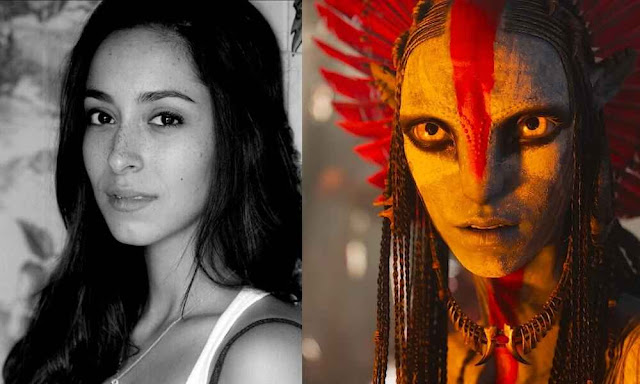
If Oona Chaplin’s face feels familiar right now, you’re not imagining it.
As news spreads that she’s playing a villain in Avatar: Fire and Ash, a specific question keeps popping up online: Wasn’t she in Game of Thrones? Yes. She was. And the fact that people are only now reconnecting the dots says more about how her career unfolded than about any disappearance.
Oona Chaplin didn’t vanish after Game of Thrones. She just didn’t chase the spotlight in the way audiences were trained to expect from actors who break out on a hit show
Yes, She Was in Game of Thrones — And It Mattered
Chaplin played Talisa Maegyr in Game of Thrones. She was introduced in Season 2 as Robb Stark’s love interest and later his wife. Not a side quest. Not a blink-and-you-miss-it role.

Talisa was central to Robb’s emotional choices, and by extension, his downfall. Her death during the Red Wedding is still one of the most shocking moments the show ever delivered. People remember the scene vividly. Blood-soaked. Silent. Devastating.
What they don’t always remember is the actor’s name.
That’s not a knock on Chaplin. It’s just how Game of Thrones worked.
The story steamrolled forward. Characters disappeared overnight. The show didn’t pause to turn every supporting player into a brand.
Why She Didn’t Pop Up Everywhere After Game of Thrones
After Game of Thrones, there was a clear template actors were expected to follow. Big franchises. High-visibility studio films. The kind of projects designed to keep your face everywhere at once.
Chaplin didn’t take that route.
Instead, she drifted into quieter work, smaller films, international projects-roles that leaned uncomfortable or morally messy. Nothing built around hype and nothing engineered for constant exposure.
That choice has consequences. Hollywood rewards repetition. Audiences are conditioned to equate visibility with relevance. Step out of that loop, and people assume you vanished.
She didn’t. She just stopped shouting.
“Hiding in Plain Sight” Sounds Cute — But It’s Accurate
Chaplin kept working steadily. Just not in places that dominate pop culture feeds.
She avoided typecasting. Avoided being boxed as “the Game of Thrones actress.” Avoided the safety of predictable career moves. And that restraint, intentional or not, meant fewer viral moments and fewer reminders that she was still around.
So when her name reappears tied to a massive franchise, it feels sudden. Like she came out of nowhere.
She didn’t. The spotlight just swung back.
Why Avatar Is a Different Kind of Moment
Landing a role in isn’t about visibility alone. Especially not when you’re playing a villain.
James Cameron doesn’t cast antagonists casually. Avatar’s villains aren’t there just to sneer and threaten. They’re usually built around belief systems — people who think they’re right, even when the story makes it clear they aren’t.
That kind of role needs restraint. Conviction. Someone who can sell internal logic without chewing the scenery.
Chaplin fits that profile more than she fits the typical blockbuster mold. Which makes the casting feel deliberate, not opportunistic.
Why Everyone Is Suddenly Connecting the Dots
Big franchises have a way of triggering memory. Once an actor shows up in something this large, people start retracing steps.
Where have I seen her before?
Oh right — Game of Thrones.
Wait, she’s been working this whole time?
That’s the cycle playing out now. Avatar isn’t reinventing Oona Chaplin. It’s reminding audiences she’s been there all along.
About the Chaplin Name — Briefly

Yes, she’s the granddaughter of Charlie Chaplin. And no, that doesn’t explain this moment.
If anything, her career choices suggest a quiet resistance to leaning on that
legacy. No comedy pivot. No nostalgia play. No branding around the surname.
Just work.
The connection is trivia. The casting is the story.
The Bigger Takeaway
Oona Chaplin’s trajectory pokes a hole in a lazy assumption we make about actors: that relevance requires constant visibility.
It doesn’t.
Some careers move loud and fast. Others move sideways, patiently, until the right project snaps everything into focus. Avatar: Fire and Ash just happens to be that snapping point.
So if she looks familiar, trust that instinct. You’ve seen her before.
You just weren’t looking for her — until now.